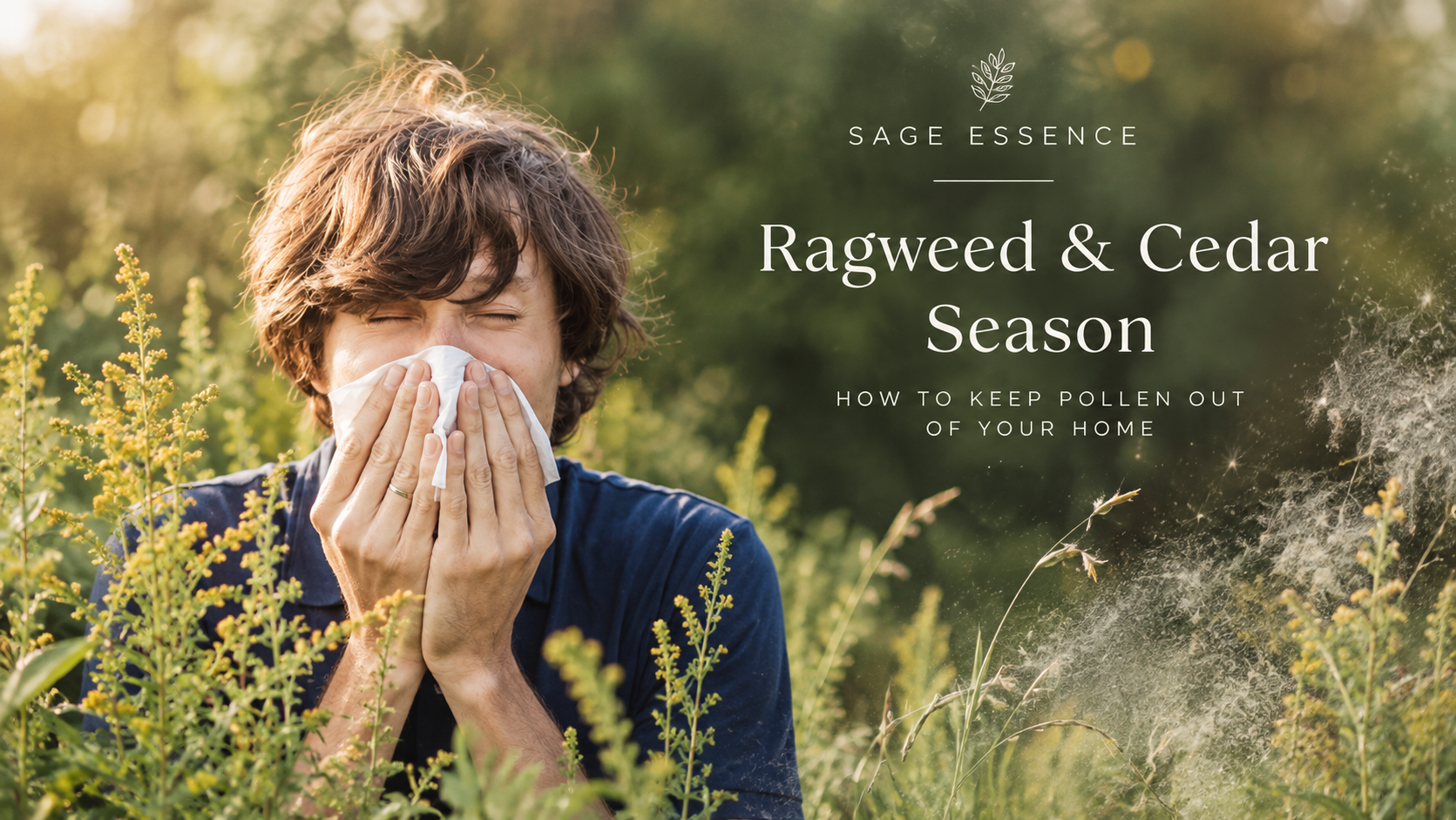
Austin residents often deal with different types of airborne pollen throughout the year. Ragweed is commonly associated with late summer and fall, while mountain cedar pollen is a major concern during the winter months. The timing and intensity vary from year to year, so checking local pollen forecasts can help you decide when to pay extra attention to cleaning.
The American Academy of Allergy, Asthma & Immunology offers resources on seasonal allergies, common triggers, and allergy management.
During high-pollen periods, focus on the places where particles can accumulate indoors, including entryways, rugs, upholstered furniture, and bedding. Keeping up with these areas can help reduce the amount of pollen that builds up in your living space.
For current conditions, check local pollen forecasts before planning outdoor activities.
How often should you clean during allergy season?
Entryway Floors: Vacuum or clean regularly, especially during high-pollen periods.
Carpets and Rugs: Vacuum slowly using a well-sealed HEPA-filtered vacuum to help remove pollen trapped in carpet fibers.
Hard Surfaces: Use a suitable damp microfiber cloth to collect dust and particles without spreading them into the air.
Bedding: Wash sheets and pillowcases regularly, particularly during periods of heavy pollen exposure.
Pet Bedding: Wash according to the manufacturer's care instructions to help remove accumulated dust and pollen.
Upholstered Furniture: Vacuum sofas, chairs, and other upholstered surfaces using an appropriate upholstery attachment.
Be mindful of open windows during high-pollen days. Fresh air can feel good, but opening windows when outdoor pollen levels are high may allow more pollen to enter your home. Check local pollen forecasts and consider keeping windows closed during periods of elevated pollen, especially if you notice that your symptoms worsen outdoors. For more information about managing indoor environmental conditions, consult the EPA guidance on indoor air quality.
How do I reduce pollen inside my house in Austin?
Vacuum carpets and rugs with a well-sealed HEPA-filtered vacuum, damp-wipe hard surfaces, wash bedding regularly, and clean areas where pollen may be tracked indoors. HEPA filtration is designed to capture very small airborne particles. However, the overall design and sealing of the vacuum also matter. The U.S. Environmental Protection Agency guidance on indoor air quality has more about managing indoor air pollutants.
Does a HEPA vacuum remove pollen from carpets? A properly designed HEPA-filtered vacuum can capture pollen and other particles from carpets. Results depend on the equipment, its filtration and sealing, and how the carpet is cleaned.
When should I deep-clean my home during Austin's allergy season? There is no single schedule that works for every home. Consider a more thorough cleaning when pollen levels are high, when visible dust accumulates, or when your household's routine brings more outdoor particles inside.
Can professional cleaning help reduce indoor pollen buildup? Professional cleaning can help remove accumulated dust and particles from floors, carpets, and accessible surfaces. It cannot eliminate all indoor allergens or guarantee relief from allergy symptoms.
How we clean during allergy season: thesageessence.com/ragweed-season-cleaning-austin